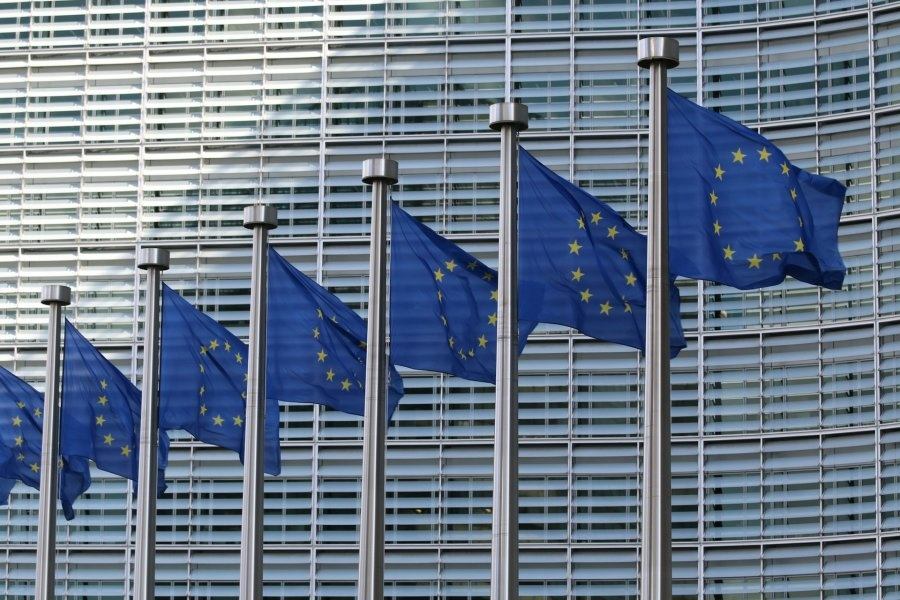
The Commission’s role as “guardian of the Treaties”
The European Commission is the body responsible for ensuring that Member States comply with their obligations under EU law in a timely manner.
If the Commission finds that a Member State is not complying with its obligations under EU law and the Member State fails to remedy the respective infringement in time, it can initiate infringement proceedings[1]. If the infringement is not remedied, the Commission can refer the case to the EU Court of Justice, which can impose significant financial penalties on the Member State.
If the misconduct is of a more technical nature, or if the Commission considers it expedient, it may initiate an informal “EU Pilot” dialogue instead of infringement proceedings.
But is the Commission really effective? Does it detect infringements in time? Is its monitoring effective enough? This was all addressed in a recent audit by the European Court of Auditors (ECA).[2]
Shortcomings in the work of the Commission
According to the findings of the ECA, in 38% of cases between 2012 and 2023, the Commission did not meet the reference period of one year for handling the case (by sending summons or closing it). In addition, from 2021, the average time taken to deal with complaints has been increasing further.
The EU Pilot Dialogue between 2012 and 2023 led in 74% of cases to complaints being resolved without the need to initiate infringement proceedings, but the entire dialogue is taking an unacceptably long time. In 2023, the average time to resolve a complaint was more than two years.
The ECA also found that although the Commission regularly publishes reports on EU enforcement, they lack information on whether the reference periods are actually being met.
In a significant number of cases, the Commission did not have sufficient information on whether Member States were fulfilling their obligations. In infringement proceedings for failure to notify national implementing measures, the Commission has in most cases exceeded the one-year reference period.
Another worrying finding was the 13 cases where Member States chose to pay sanctions in the long term rather than take remedial action. This raises doubts as to whether the sanctions are actually sufficiently dissuasive.
Recommendations of the European Court of Auditors
Based on the audit, the ECA has made four main recommendations to make enforcement of EU law more effective:
- Improved planning and documentation of inspections – focus on more effective resource planning and systematic recording of inspection start and completion dates (target: December 2025).
- Streamlining the handling of complaints, EU Pilot dialogue and petitions – including harmonising criteria for prioritising complaints and regularly informing complainants of the status of their submissions (target: December 2025).
- Improving the management of non-compliance cases – monitoring the obstacles to their handling and revising the methodology of sanctions to make them truly dissuasive (target: December 2026-2027).
- Strengthening the monitoring and reporting on EU law enforcement – monitoring the length of proceedings and annual evaluation of the Commission’s performance in this area (target: December 2026).
Conclusion
The ECA audit has clearly shown that the European Commission is not sufficiently effective and responsive in enforcing EU law. The Commission often does not detect infringements in time either.
The measures proposed by the ECA may help to improve the situation, but there is no guarantee that the Commission will follow them, as they are only recommendations and not legally binding on the European Commission.
[1] Article 258 of the Treaty on the Functioning of the European Union
[2] Special Report 28/2024 of the European Court of Auditors, available HERE