Energy recovery from waste and alternative fuels in the Czech Republic rose once again in 2025. According to new data released by the Ministry of Industry and Trade (MIT), nearly 1.38 million tonnes of waste and alternative fuels were recovered for energy. Record levels were achieved not only in the volume of waste processed across Waste-to-Energy (WtE / ZEVO) facilities, but also in electricity generated from municipal waste. The trend simultaneously highlights the growing role of alternative fuels in the district heating sector.
The Ministry of Industry and Trade has published its updated statistics on energy recovery from waste and alternative fuels for 2025. A total of 1,378,620 tonnes of waste and alternative fuels were utilized for energy production, up from 1,359,120 tonnes in 2024—representing a year-on-year increase of approximately 1.4%.
The growth in total energy content derived from processed waste and alternative fuels was even more pronounced. In 2025, energy output reached 19.82 Petajoules (PJ), up approximately 3.7% year-on-year. This marks the highest figure across the entire historical time series published by the Ministry since 1989. The previous record was set in 2020 at 19.44 PJ.
These statistics do not encompass all waste incinerated across the Czech Republic. The Ministry includes only instances where energy generated during incineration is actively utilized and where the waste yields a net energy benefit. Consequently, these figures are not directly comparable to overall waste management incineration data published under general environmental statistics.
WtE Facilities (ZEVO) Break Records Again
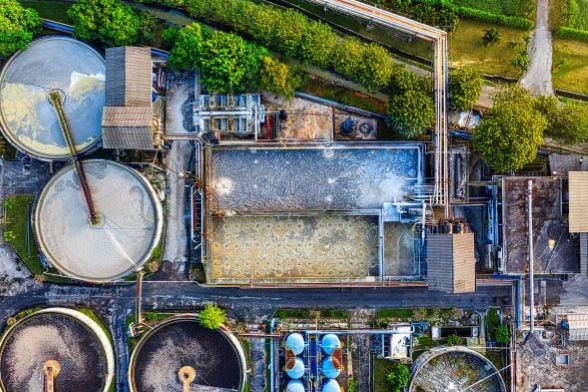
Waste-to-Energy facilities (known locally as ZEVO) remain the single largest category. In 2025, these plants processed 840,390 tonnes of solid municipal waste for energy recovery, compared to 830,348 tonnes in the previous year.
While the increase in waste volume was steady rather than dramatic, it maintains a strong multi-year upward trajectory. As recently as 2022, Czech WtE plants processed approximately 701,000 tonnes of waste, rising to nearly 816,000 tonnes in 2023—an increase of nearly 20% over a three-year period.
Electricity production saw a substantial rise. Gross electricity generation at WtE facilities reached 281 GWh in 2025, up nearly 8% year-on-year and setting a new historical record. By comparison, generation stood at 205 GWh in 2020 and just 148 GWh in 2015.
District heating displayed a different trend. Gross heat generation decreased from 4.13 PJ in 2024 to 3.94 PJ in 2025, while heat delivered to off-takers declined from 2.77 PJ to 2.72 PJ. Higher volumes of energy-recovered waste did not translate into increased heat supply in 2025.
The growth in processed volumes in recent years is closely tied to capacity expansions at existing facilities:
- ZEVO Malešice (Prague): Permitted capacity was increased from 330,000 tonnes to 394,000 tonnes in 2023, and subsequently to 480,000 tonnes per year.
- ZEVO Chotíkov: Permitted capacity was expanded in December 2024 from 120,000 to 133,000 tonnes per year.
- ZEVO Brno & Liberec: According to the Ministry, capacity stands at 248,000 tonnes per year for Brno and 96,000 tonnes per year for Liberec.
Cement Kilns Surpass 400,000 Tonnes
Cement and lime kilns represent another significant channel for energy recovery. In 2025, these facilities utilized 405,948 tonnes of alternative fuels and waste, an increase of roughly 15,000 tonnes year-on-year.
Solid Recovered Fuel (SRF / TAP) accounted for the vast majority, with consumption reaching nearly 285,000 tonnes. This was followed by end-of-life tires (just under 57,000 tonnes), fuels classified as renewable energy sources within the statistics (28,000 tonnes), and industrial or unclassified waste (under 24,000 tonnes).
However, alternative fuel utilization in cement kilns has not yet returned to early-2020s peaks. In 2021, consumption reached nearly 487,000 tonnes—roughly 20% higher than in 2025.
Nevertheless, the long-term structural shift is substantial. In the late 1990s, Czech cement and lime kilns consumed only tens of thousands of tonnes of alternative fuels annually. Today, these fuels form a core component of their energy mix, serving primarily as a substitute for fossil fuels.
Solid Recovered Fuel Gains Ground in District Heating
The trend within the category designated by the Ministry as "energy recovery of alternative fuels and waste in the energy sector" is particularly noteworthy. Between 2017 and 2022, annual consumption hovered between just 2,000 and 5,000 tonnes.
In 2023, consumption surged past 30,000 tonnes, reaching nearly 72,000 tonnes in 2024 and 67,425 tonnes in 2025.
The Ministry attributes this shift to the modernization of the Přerov Heating Plant, completed at the end of 2022. Its new multi-fuel steam boilers can burn Solid Recovered Fuel (SRF) produced from sorted municipal and industrial waste, as well as biomass, offering an operational capacity of 114,000 tonnes per year.
Despite a slight year-on-year decline in alternative fuel volumes within the energy sector in 2025, energy recovery remained high. Gross heat production rose from 493 TJ to 512 TJ, and heat supplied to end-users increased from 388 TJ to approximately 426 TJ.
Broader utilization of Solid Recovered Fuel represents a key decarbonization pathway to replace coal in existing district heating plants. Unlike dedicated WtE facilities, this model relies on pre-processed waste fuel that plants can co-fire alongside other fuel sources.
Industrial and Medical Incinerators Decline
In contrast, industrial and hazardous medical waste incinerators show an opposing trend. These plants processed 62,182 tonnes of waste for energy recovery in 2025—the lowest volume recorded since 2005.
In 2018, volumes exceeded 94,000 tonnes. Since then, throughput has fallen steadily, dropping from nearly 80,000 tonnes in 2023 to 62,000 tonnes in 2025. Total energy content contained in incinerated industrial waste fell to 843 TJ in 2025.
The Ministry reports that 25 industrial and medical waste incinerators currently operate across the Czech Republic, including a new facility commissioned at the Uherské Hradiště Hospital in 2025.
Future Growth Depends on System Integration, Not Just New WtE Plants
These updated statistics complement the broader market outlook. The Czech Republic faces progressive statutory restrictions on landfilling alongside mandatory targets to increase recycling rates. This creates demand for energy recovery from residual, non-recyclable waste fractions while constraining the volume of waste that can be routed directly to traditional WtE plants over the long term.
Data from 2025 indicates that energy recovery is no longer driven exclusively by conventional WtE facilities. Cement kilns remain major off-takers, while district heating plants are increasingly integrating Solid Recovered Fuel into their energy mix.
From an energy planning perspective, the key factor over coming years will not merely be the number of new incineration plants constructed, but how effectively individual technologies integrate into the broader waste management and district heating infrastructure. The record figures of 2025 demonstrate that energy recovery volumes continue to expand while undergoing structural diversification.
Expert Commentary
"Waste management is becoming an increasingly crucial component of operational and strategic decision-making for corporate entities. From January 1, 2030, landfill operators will be prohibited from accepting waste with a calorific value exceeding 6.5 MJ/kg, biologically unstable waste, or waste that can be efficiently recycled. Because this ban targets landfills directly, it impacts every waste producer, including commercial businesses.
By that deadline, companies must secure material or energy recovery pathways and reserve capacity in processing facilities. In our advisory practice, we see clients adopting an increasingly comprehensive approach—evaluating not only waste processing solutions but also the secondary byproducts generated.
Bottom ash (škvára) from WtE facilities is a prime example. As incineration volumes grow, bottom ash production increases accordingly; its utilization in construction applications will be decisive in further reducing landfilled volumes. The key prerequisite remains a clear legislative framework and market confidence in the quality of recycled bottom ash aggregates."
— Petr Branda, Environmental Advisory Specialist
This text was translated by AI.