The share of electricity generation from renewable energy sources (RES) in Germany’s gross electricity consumption reached a record 58% in the first half of this year. The share of these sources in total electricity generation was comparable. Higher electricity generation from wind power plants contributed significantly to achieving this new historical high.
According to preliminary data published by the German Association of Energy and Water Industries (BDEW), the share of RES electricity generation in Germany’s gross electricity consumption increased year-on-year by three percentage points to 58%, following a year-on-year decline in the same period last year caused by low wind power generation. The country's target is to increase this share to 80% by 2030.
The success of the transition will depend not only on installed RES capacity, but on the ability to integrate technology, regulation, economics, and operations into a single functional whole.
Jiří Dvořák
Partner | Advisory
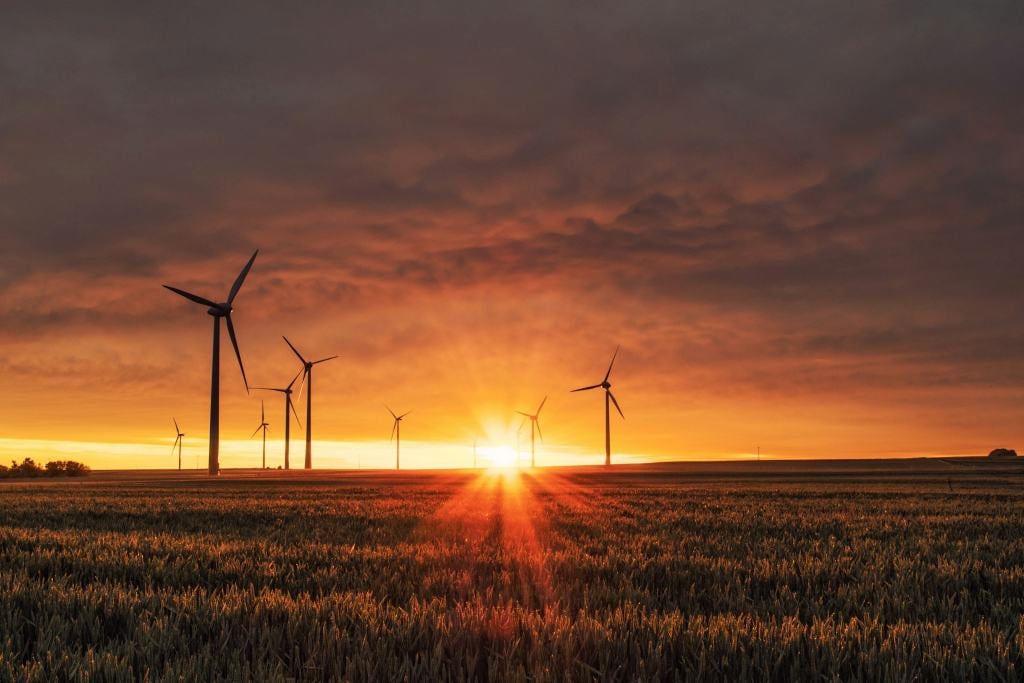
The growth in RES electricity generation in the first half of this year was driven primarily by wind power plants. Electricity generation from onshore wind turbines increased by 7% year-on-year, and from offshore wind farms by as much as 28%. Electricity generation from solar power plants grew by just under 4%. Conversely, a decline was recorded for hydroelectric power plants due to lower precipitation, dropping by nearly 8%.
"The pace of renewable energy deployment in Germany remained high in the first half of 2026. Solar plants in particular grew rapidly—this year's addition of 8.3 GW surpassed last year's 7.8 GW. Onshore wind power development also evolved dynamically. In the first half of 2026, 2.5 GW of new capacity was installed, compared to 2.2 GW in the first half of 2025. Offshore wind farm development was significantly stronger. While 0.5 GW of new capacity was commissioned for the whole of 2025, 0.9 GW was added in the first half of 2026 alone." stated the BDEW association.
The share of RES in gross electricity consumption is a commonly used indicator in both German and European targets for the development of these sources. Another way to assess the pace of RES development is the share of these sources in total electricity generation. In Germany, this share was nearly identical in the first half of the year, standing at just under 58%.
Commentary from Our Specialist:
"The record share of renewable sources in Germany's electricity consumption is not just an interesting statistic. Above all, it confirms that the energy transition is entering a phase where it is necessary to address not only the construction of new sources, but also grid readiness, flexibility, storage, and effective data management. These are precisely the areas where we currently see the greatest challenges for distribution system operators as well as other electricity market participants. The success of the transition will depend not only on installed RES capacity, but on the ability to integrate technology, regulation, economics, and operations into a single functional whole. At Grant Thornton, we therefore focus not only on energy development strategy, but also on the practical implementation of changes—from investment preparation and regulatory analyses to new energy services. This is precisely where the competitiveness of the entire sector will be decided in the coming years." says Jiří Dvořák.
This text was originally published on the oenergetice.cz portal.
This text was translated by AI.